The Guest-Ready Home Is Not a Standard
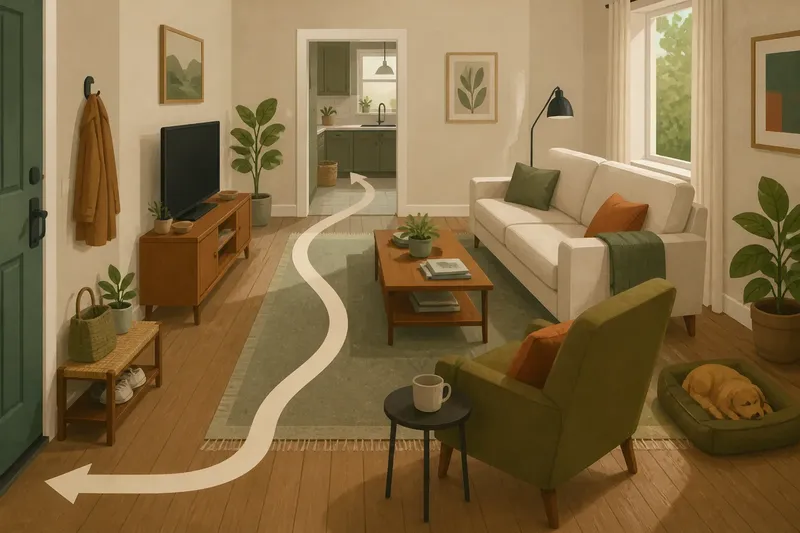
A guest-ready home can feel welcoming without a whole-house clean: choose a comfortable place to gather and one thoughtful detail guests can use.

The most common guest-ready home mistake is hiding every sign of daily life before company arrives. The cost is often a frantic host and a room that feels staged rather than comfortable. Instead of preparing for an imaginary inspection, make the shared space feel like yours—and give guests a small way to take part in it.
Keep signs of daily life
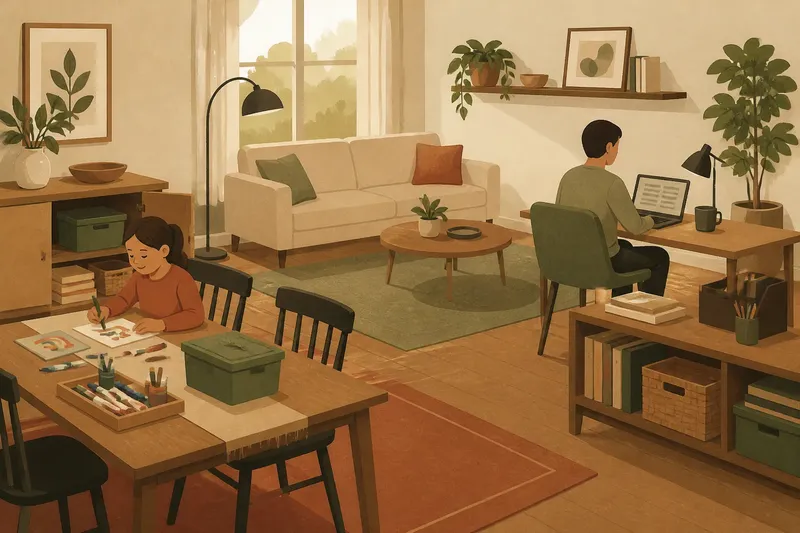
A book with a folded corner, a child’s drawing, or the chipped mug you reach for every morning can make a room feel personal. The aim is not to display everything, but to leave a few objects that tell guests how the household actually lives.
Choose objects with a story you can share, rather than arranging a collection solely for appearance. A bowl from a flea market might hold wrapped candies; a stack of board games might invite someone to pick the next activity. These details shift the room from a display to a place guests can use.
Make room for participation
Hospitality need not mean doing every task out of sight. Letting a guest choose a record, pour sparkling water, or help carry plates can make the visit feel like time together instead of a performance. Offer a clear, optional invitation so nobody has to guess whether help is welcome.
Say you are hosting a friend who likes to cook, and you have planned a casual dinner of pasta, salad, and bread. You could ask them to choose between two jars of sauce, then invite them to tear the basil while you drain the pasta. The concrete result is a shared task with a natural stopping point; if they would rather sit and talk, you can finish the meal yourself.
Choose a gathering ritual
A small ritual can give a visit its own character without adding much preparation. You might put on a particular album while people arrive, serve tea in mismatched cups, or ask everyone to add a song to a shared playlist. Pick something that suits the gathering, not a routine you feel obliged to repeat.
For a family brunch, a bowl of question cards could prompt stories between bites; for a neighbor stopping by, a familiar radio station may be enough. Keep the ritual flexible: if conversation takes off without it, let it fade into the background.
Offer useful choices
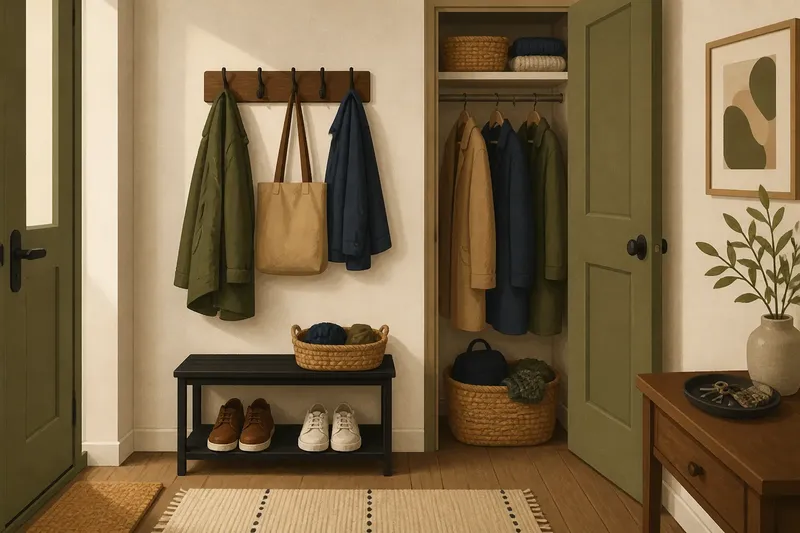
Guests may not know whether to remove their shoes, where to leave a bag, or how to find a drink. A warm, direct cue answers the question without making a production of hosting: “Shoes can stay on, and there’s room for your bag by the bench.” If you have a household preference, say so plainly and offer a comfortable alternative.
- Notice a crowded entry: If the bench or floor is already occupied, move household items to a nearby room; otherwise, leave the open space available for a guest’s bag.
- Check the seating: If a chair is covered with laundry or supplies, clear it or offer another comfortable seat; otherwise, keep the seating arrangement as it is.
- Look at the shared table: If mail or a project blocks the place you plan to use, move it to a tray or shelf; otherwise, leave familiar objects that do not interfere.
- Check the lighting: If the gathering area feels harsh under the overhead light, switch on a lamp; otherwise, use the lighting that already suits the room.
- Look at the bathroom sink: If the hand towel or soap is hard to find, put each in plain view; otherwise, avoid adding extra products guests may not need.
- Consider the planned activity: If guests will eat or play a game, clear the relevant surface; otherwise, do not rearrange the room for activities that are not planned.
How can hosting feel personal?
What makes a room feel lived in?
Keep a few objects that reflect the people who live there, such as a well-used cookbook or a family photo. Clear anything that makes the room difficult to use, but do not conceal every trace of ordinary life.
How do I invite guests to help?
Offer a specific, optional task, such as choosing music or carrying a bowl to the table. If they decline, accept that easily and continue with the visit.
What should I do when a room is unfinished?
Be matter-of-fact about any limitation that affects the gathering, then offer an alternative. “The table is covered with a sewing project, but the kitchen counter is clear” gives useful information without an apology tour.
How do I decide what to prepare?
Start with the visit’s actual plan: the activity, the people, and the space you will share. Prepare what supports that plan, and leave unrelated rooms alone.
Let the visit shape the room
Imagine you are inviting two friends over to listen to a new album, and the living room has a crowded coffee table, a stack of records, and a lamp with a warm glow. You decide the records are part of the evening, move the mail from the table to a drawer, and turn on the lamp. The records stay within reach, the table is open for drinks, and the room suits the music; if the conversation turns elsewhere, the evening still works.
A guest-ready home can be an expression of what you enjoy sharing, not a performance of tidiness. For the next visit, choose one personal detail that fits the plan and one practical adjustment that makes it usable. Then let the room carry its ordinary character into the gathering.